Live Healthy.
Feel Healthy.
Welcome! The Together in Community initiative has concluded, but its impact continues.
To preserve the valuable resources, information, and outcomes developed through this work, we've integrated the most important content into the Yakima Valley Community Foundation website. As our programs and initiatives evolve, this approach allows us to continue sharing these resources in a sustainable way while keeping them accessible to our community.
Whether you're looking for community resources, health resources or information about the initiative, you'll find it here. Thank you for your continued interest in Together in Community and for supporting efforts that strengthen communities across Central Washington.
We partnered with the Washington Department of Health to ensure that Hispanic-Latino communities are included when making health care decisions. We worked hard to give families easy ways to find health and community information.
“Together in Community” supports each other and wants the Hispanic-Latino community to have the same opportunities that everyone has to receive good health information and care.
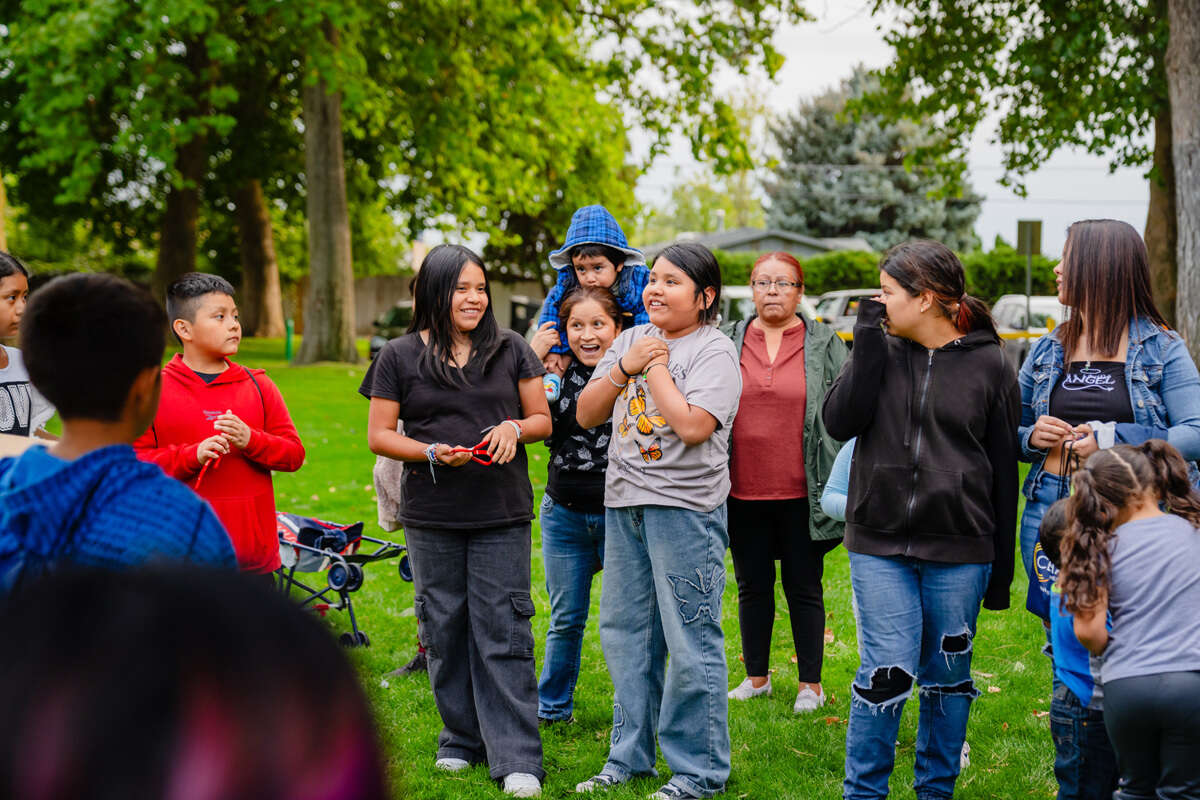
No matter where we come from or what language we speak, we wanted to make it easier for families to get help, solve problems and be part of a community where we all thrive and learn together.
Our commitment as Together in Community was to close health equity gaps for Hispanic-Latino families in Yakima, Adams, Grant, and Kittitas counties. We understood that members of our community face unique challenges in accessing vital health information and services, especially in rural areas. Language barriers and cultural nuances can further complicate these challenges. We worked closely with the Washington State Department of Health, our goal was to ensure that these barriers are effectively addressed, providing equal access to health resources for our local Hispanic-Latino families. Our strength was in the unity of community organizations, which strive to overcome health disparities through collaboration, understanding and action.
Before we dive into the importance of health insurance, let’s first talk about what health insurance is. Health insurance—also known as a health plan—is an agreement you make with an insurance company. This insurance company agrees to pay for some or all of your medical expenses in exchange for a monthly payment.
Why is this so important? Well, you never know when you or your family may need a doctor! Health insurance helps cover medical costs—you can think of the monthly payment as the cost for this future service.
What Is Covered by Health Insurance?
If you have health insurance in Washington State, many services are available to you by law. These services include:
Most health plans also include preventative care, such as shots and screenings, at no cost. With health insurance, you’re guaranteed screenings and counseling services for:
Being able to see a doctor or go to the hospital is very important to keep you and your family healthy. While there might be upfront costs, having a health plan helps you to avoid expensive payments for every visit.
learn how to sign up for health insurance with a local navigator.
Where do you go to get care when you have flu symptoms? What about when you have a broken bone? With all the healthcare options, it can be confusing to figure out when to go where. We’ve put together a list of the different types of healthcare locations along with descriptions of when to go to each one.
Primary Care
Primary care clinics are where you see your doctor for wellness checks to keep your body healthy. Primary care doctors perform checkups and vaccinations and diagnose non-life-threatening conditions. You need an appointment to visit primary care.
You should go to the primary care doctor for things like annual vaccinations, sports physicals, and mild flu symptoms with no fever or rash.
Urgent Care
Urgent care clinics help when you do not need to go to the emergency room, but you cannot wait for an appointment with primary care. Urgent care clinics take walk-ins and are open day and night.
You should go to urgent care for things like sprains or strains, abdominal pain, and vomiting or diarrhea.
Emergency Room
Emergency rooms are located at hospitals where medical staff is available day and night to perform life-saving procedures. They serve the entire community. If you’re not experiencing severe symptoms, consider a primary care or urgent care clinic.
You should go to the emergency room for things like broken bones, seizures, and severe cuts that need stitches.

From enrollment to documentation, there is a lot to know about health insurance. We’ve put together a list of answers to questions you may have, as well as a glossary of helpful terms.
Download our health insurance booklet to see the full list of FAQs.
Click the links below to be redirected to a clinic near you.
Yakima Neighborhood Health Services
Yakima Valley Farm Workers Clinic